
Ecological Economics and Degrowth – An Exploration into Sustainable Futures
Ecological economics and degrowth are two interconnected concepts that challenge the traditional views of economic growth and development. As the world grapples with the consequences of environmental degradation, climate change, and resource depletion, these concepts offer alternative pathways toward sustainable and equitable futures.
Ecological Economics
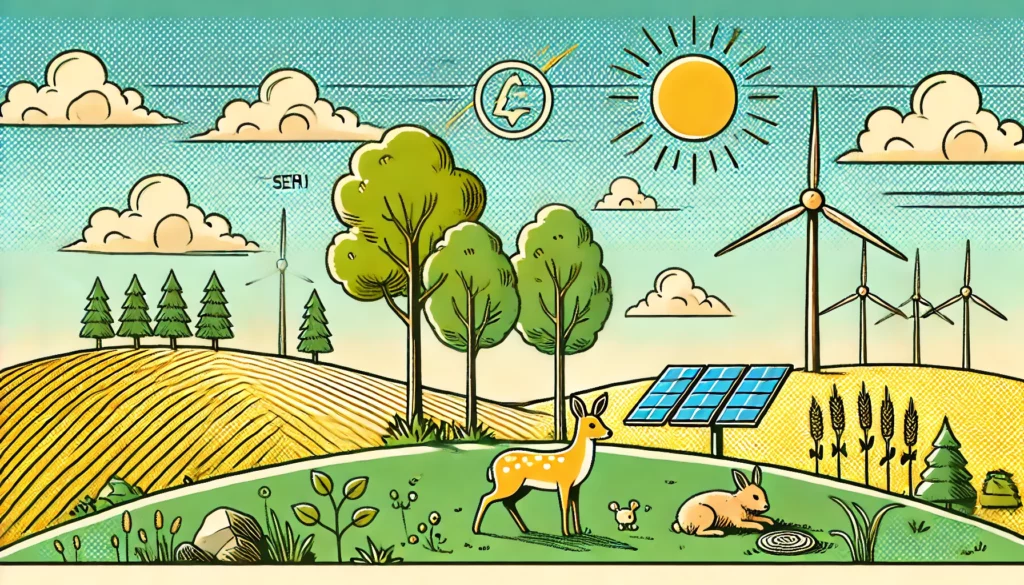
Ecological economics is a transdisciplinary field that addresses the relationships between ecosystems and economic systems. Unlike conventional economics, which often views the environment as an external factor, ecological economics considers the economy as a subset of the ecological system. This approach emphasizes the need to balance economic activities within the planetary boundaries.
Principles of Ecological Economics
Ecological economics is founded on several core principles:
-
Interdependence: Recognizing the interconnectedness of human and natural systems.
-
Limits to Growth: Acknowledging that infinite economic growth is not possible on a finite planet.
-
Sustainability: Promoting long-term well-being for both human and non-human life.
-
Equity: Ensuring fair distribution of resources and opportunities within and between generations.
-
Precautionary Principle: Taking proactive measures to prevent environmental harm when scientific certainty is lacking.
Goals of Ecological Economics
The primary goals of ecological economics include:
-
Environmental Sustainability: Ensuring that economic activities do not exceed the carrying capacity of ecosystems.
-
Social Equity: Addressing income inequalities and providing fair access to resources.
-
Economic Efficiency: Maximizing the benefits derived from the use of natural resources while minimizing waste and environmental impact.
Degrowth
Degrowth is a socio-economic movement that advocates for the intentional down scaling of production and consumption. It challenges the notion that economic growth is synonymous with progress and well-being, proposing instead that a reduction in material consumption can lead to improved quality of life and environmental sustainability.
Principles of Degrowth
Degrowth is guided by several key principles:
-
Reduction: Minimizing the use of natural resources and energy.
-
Redistribution: Ensuring fair distribution of wealth and resources.
-
Relocalization: Encouraging local production and consumption to reduce dependency on global supply chains.
-
Simplicity: Embracing lifestyles that prioritize well-being over material wealth.
-
Autonomy: Empowering communities to make decisions that affect their environment and well-being.
Goals of Degrowth
The goals of the degrowth movement include:
-
Environmental Preservation: Reducing ecological footprints to protect biodiversity and ecosystems.
-
Social Well-being: Fostering social cohesion, mental health, and overall quality of life.
-
Economic Resilience: Creating robust local economies that are less vulnerable to global market fluctuations.
Intersections Between Ecological Economics and Degrowth
Ecological economics and degrowth share common ground in their critique of conventional economic paradigms and their focus on sustainability and equity. Both fields advocate for a reevaluation of what constitutes progress and success in human societies.
Shared Values
-
Environmental Limits: Both ecological economics and degrowth recognize the biophysical limits of the planet and emphasize the need to operate within these boundaries.
-
Quality of Life: They prioritize human well-being and ecological health over material wealth and GDP growth.
-
Equity and Justice: Both movements strive for fair distribution of resources and social justice.
Complementary Approaches
While ecological economics provides a theoretical framework for understanding the interactions between economic and ecological systems, degrowth offers practical strategies for achieving sustainability. Together, these approaches can guide the transition toward a more sustainable and just society.
Case Studies and Applications
Several regions and communities around the world are experimenting with principles of ecological economics and degrowth to create sustainable futures. These case studies highlight the potential for transformative change.
Community-Led Initiatives
In many parts of the world, local communities are taking the lead in implementing sustainable practices. Examples include:
-
Transition Towns: Grassroots movements focused on building resilience through local food production, renewable energy, and community engagement.
-
Eco villages: Intentional communities that prioritize ecological living and social harmony.
Policy Interventions
Governments and policymakers can play a crucial role in fostering ecological economics and degrowth. Key interventions include:
-
Carbon Pricing: Implementing taxes or cap-and-trade systems to reduce greenhouse gas emissions.
-
Green New Deals: Comprehensive policy packages that address climate change, economic inequality, and social justice.
-
Universal Basic Income: Providing a safety net that ensures basic financial security for all citizens, reducing the need for excessive consumption.
Challenges and Criticisms
Despite their potential, ecological economics and degrowth face several challenges and criticisms.
Economic Stability
Critics argue that reducing economic growth could lead to instability, unemployment, and social unrest. Proponents of degrowth counter that a managed transition can create new opportunities for meaningful work and community engagement.
Political Feasibility
Implementing policies that prioritize ecological and social well-being over economic growth can be politically challenging. It requires strong leadership, public support, and international cooperation.
Behavioural Change
Achieving the goals of ecological economics and degrowth necessitates significant changes in consumption patterns, lifestyles, and cultural values. This can be difficult to achieve in a society that values material wealth and consumerism.
Conclusion
Ecological economics and degrowth offer compelling alternatives to the dominant paradigm of perpetual economic growth. By recognizing the interconnectedness of human and natural systems and prioritizing sustainability and equity, these approaches can help create a more resilient and just world. As the global community continues to face environmental and social crises, the principles and practices of ecological economics and degrowth provide valuable pathways toward a sustainable future.
Ecological Economics and Degrowth


Leave a Reply